
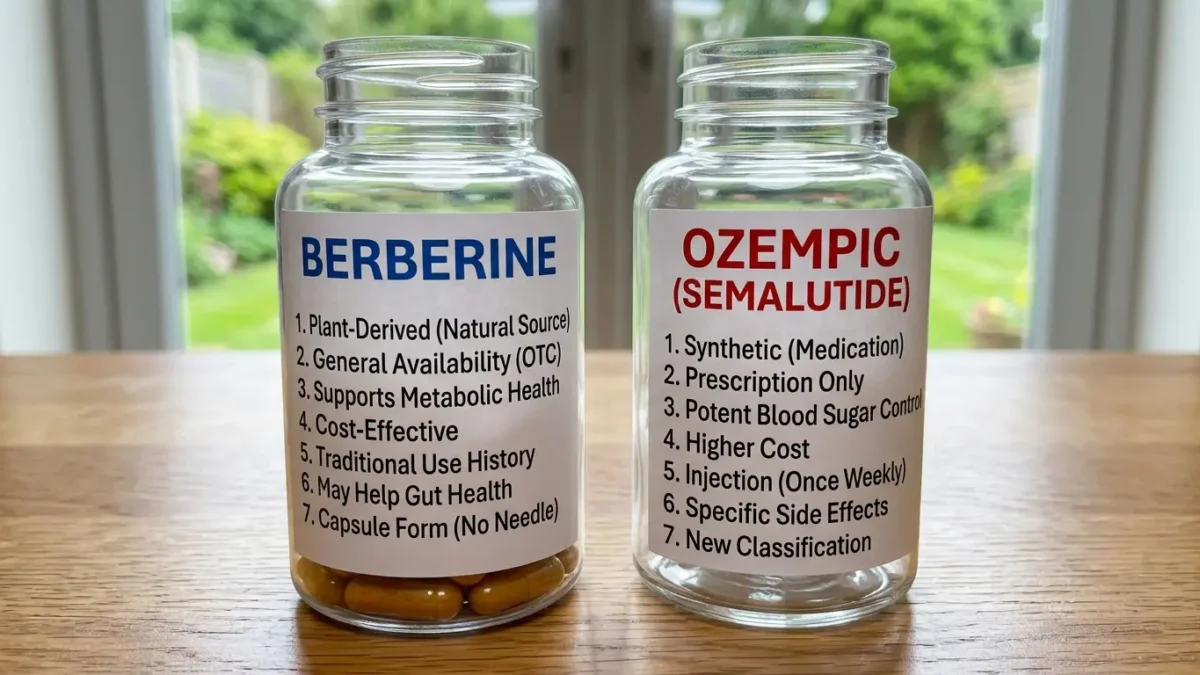
7 Reasons Berberine Might Be Better Than Ozempic For You

Are you looking for ways to manage your health? Then you’ve probably heard of Berberine and Ozempic. They are two hotshots of the health supplement world right now, and for good reasons. However, they serve different niches. Ozempic has become known as a diabetes medication with weight loss benefits, while Berberine is an up-and-comer in the world of diverse benefits that people are just starting to take notice of.
But what exactly sets these two apart? Whether you need to manage sugar levels or want help with weight, knowing what’s in each could matter a lot for your health. Jump into this look at why Berberine might be a better pick for you than Ozempic!
What is Berberine?
Berberine is a bioactive compound that is extracted from different plants including the barberry shrub. It has been used in traditional medicine for hundreds of years in Chinese and Ayurvedic practices.
This potent alkaloid has natural anti-inflammatory and antimicrobial properties. It works at the cellular level by affecting multiple metabolic pathways.
One of its more unique features is its ability to activate an enzyme called AMP-activated protein kinase (AMPK). This process is very important in the way metabolism is regulated, making berberine an attractive option for controlling blood sugar levels and weight.
In other studies, it has been suggested that berberine could help improve gut health by supporting the growth of good bacteria. This wide range of uses makes it an attractive choice for individuals looking for alternative treatments to common health problems.
Knowing Ozempic and its Functions
Ozempic is a drug mainly used to control type 2 diabetes. It falls under a group of medicines called GLP-1 receptor agonists. This indicates that it works like a hormone to control the level of sugar in the blood.
Ozempic helps patients achieve better glycemic control, sustaining healthy levels of blood sugar throughout the day. Many users have also reported significant weight loss benefits with this diabetes management drug.
It works by slowing gastric emptying and increasing satiety, factors that can help cut calorie consumption. All of which makes it an attractive option for anyone struggling with obesity or weight-related health issues.
Like any medication, though, it’s important to talk to your healthcare provider about potential side effects and interactions before you start treatment. Understanding how Ozempic fits into your overall health plan is key to getting the best results.
Berberine Health Benefits
Berberine: It’s a natural compound found in plants, with some pretty striking health benefits. People are really starting to talk about how it can help support metabolic health.
Insulin sensitivity may be boosted by berberine, an attribute that stands out. This could be a major benefit to people with blood sugar imbalances or diabetes.
Studies also show that berberine can increase heart health by improving cholesterol levels and reducing inflammation. This makes it a very attractive option for people interested in overall good health.
Some other studies also show that berberine may help in the management of weight. By influencing the metabolism of fat, it helps to control the appetite and increase the expenditure of energy.
The other important benefit is the properties of antimicrobials. Berberine has been tested to fight some bacteria and fungi, therefore giving a protective effect on gut health and beyond.
Weight Loss: Berberine vs. Ozempic
Weight loss has put both berberine and Ozempic in the spotlight. Berberine is a natural compound sourced from different plants. It is known to help in the metabolism process and reduce the storage of fats.
Ozempic is a prescription drug primarily made for diabetes but has shown great results in reducing weight. It works by mimicking GLP-1, a hormone that regulates insulin secretion and appetite.
Clinical studies show that while Ozempic may bring about more rapid weight loss in some individuals due to its pharmacological action, berberine is an attractive alternative with lower side effects. Users often report gradual but sustainable weight loss with berberine over time.
It is personal preference that plays a big part in the choice between these alternatives. Some might prefer the holistic approach of berberine to the medical route offered by Ozempic.
Impact on Blood Sugar Control
So many people need to watch their blood sugar levels, but especially those with diabetes or pre-diabetes. One of the supplements that have been said to help people with this is berberine.
Research shows that berberine may be able to increase insulin sensitivity. That means your body can use insulin better, so you won’t have as high of blood sugar spikes after eating. It works at the cellular level, controlling the metabolic pathways in the liver that produce glucose.
On the other hand, Ozempic mainly works by acting like GLP-1, a hormone that increases insulin and decreases appetite. While it works well in controlling blood sugar levels, some patients may experience such side effects as nausea or gastrointestinal discomfort.
Berberine offers a natural alternative with fewer reported side effects. For those looking to manage their blood sugar without pharmaceutical interventions, this compound could be an appealing option worth considering.
Safety Profile: Berberine vs. Ozempic
Consider the safety profiles of berberine and Ozempic in terms of side effects and interactions. Berberine, as a natural compound obtained from different plants, is generally well-tolerated although it may cause gastrointestinal upset, such as diarrhea or stomach cramps, in some individuals.
On the flip side, Ozempic comes with more severe side effects. It can cause nausea, vomiting, or even pancreatitis in some users. And since it’s an injectable that impacts insulin levels, there’s potential for hypoglycemia when it’s combined with other diabetes medications.
Patient pocketbook issues
Cost can play a significant role in weighing your options between berberine and Ozempic. Generally, berberine is more accessible in terms of price. You can often find it at health food stores or online, making it an affordable supplement for many.
Ozempic, on the other hand, usually entails higher out-of-pocket costs. Its price as a prescribed drug may vary with insurance coverage and pharmacy pricing. Some patients could be having huge copays or be uninsured altogether.
Another point is that continued use of Ozempic would mean long-term financial commitments. This adds another layer when thinking of your health strategy.
Budgeting for supplements like berberine provides flexibility without sacrificing quality of care. Patients should consider not only the immediate costs but also their overall treatment plans to make informed decisions aligned with their financial situation.
Personalizing Your Health Journey
It’s a very personal thing, taking control of your health. What works for one person may not work for another. This means it’s very important to try different things, including possible Ozempic alternatives like Berberine.
Listening to your body is the most important thing. Pay attention to how you feel and any changes when you start taking new supplements or medicines. People can respond very differently, so it’s important to be patient and watch what happens.
Consulting with healthcare professionals will help you gain a better understanding of the specific approach that should be taken, considering guidance on medical history and lifestyle factors. Do not be afraid to be creative within safe limits. Trying out different combinations of diet, exercise, and supplements may lead to breakthroughs in your wellness regime.
It should be a reflection of who you are, values, preferences, and goals that will shape an experience while making choices that are tailored for you.
How to Choose the Right Option
Berberine or Ozempic? Too much information can make the decision feel overwhelming, and everyone’s health journey is so different. It’s personal.
Berberine is all about its natural roots–and the possible benefits that go beyond weight loss and blood sugar management. It might be an appealing alternative for someone looking for a more holistic approach to their health.
Ozempic has its place in modern medicine, with proven efficacy for certain patients. What works best for one person may not suit another.
Seeking advice from healthcare professionals will shed light on which option comes closer to achieving your set goals. Whether you are thinking of Berberine as an Ozempic alternative or thinking of Ozempic itself, knowledge will help you opt for the right choice that suits your lifestyle and health goals.